Individual vs couples therapy: do you need one, the other, or both?
“The most important relationship you will ever have is with yourself. Every other relationship grows from there.” Choosing between Individual vs couples therapy is rarely a simple decision. Many people arrive at this crossroads already emotionally exhausted, unsure whether the problem lives within themselves, within the relationship, or somewhere in between.
Some people enter therapy because they feel disconnected from their partner. Others feel disconnected from themselves long before the relationship begins to suffer. Understanding the difference between Individual vs couples therapy helps clarify what type of support actually matches the situation rather than choosing blindly and hoping it works.

What Is Individual Therapy?
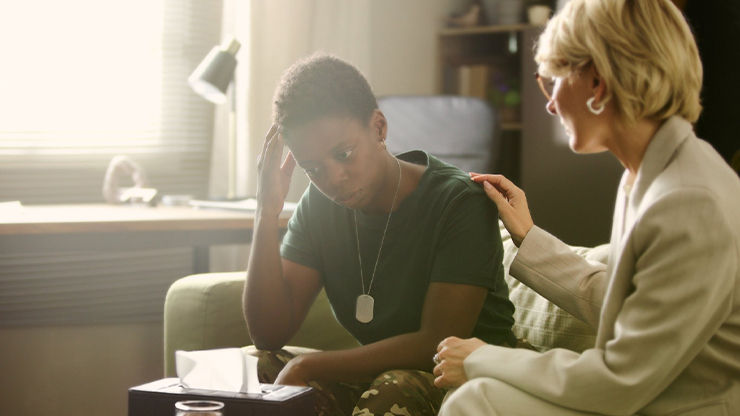
Individual therapy, also called individual counselling, is a one-on-one process between you and a therapist focused entirely on your personal thoughts, patterns, history, and goals.
Nothing is shared with a partner. There is no dynamic to manage and no other perspective to account for. That privacy is what makes it effective for personal issues. Individual therapy is a better option if you are facing internal challenges that mainly impact your mental health and aren’t directly related to your relationship, making the choice between individual and couples therapy worth thinking through carefully.
Issues commonly addressed include anxiety, depression, trauma, grief, self-worth, anger, and the personal patterns that shape how you show up in relationships. Individual therapy gives you a dedicated space to understand the patterns that shape your behaviour, process past experiences, and develop tools to manage your emotions and thoughts.
What Is Couples Therapy?
Couples therapy focuses on addressing and resolving issues between partners rather than focusing on each individual alone.
Both partners attend the session together, and the therapist acts as a mediator who can help them identify underlying conflicts that affect their relationship. Couples therapy goes beyond just dealing with immediate challenges; it addresses how partners interact with each other on all levels.
Couples counselling addresses communication breakdown, infidelity, conflicts over values and goals, and the dynamics that develop between two people over time. The therapist does not take sides, and both partners get the chance to express their feelings and concerns. The relationship is the focus, and both partners work together as a team.
Key Differences Between Individual and Couples Therapy
Both approaches are valuable in individual vs couples therapy. The difference lies in where the primary work needs to happen.
Aspect | Individual Therapy | Couples Therapy |
Focus | Personal thoughts and emotions | Relationship dynamics |
Goal | Self-awareness and healing | Better communication and connection |
Structure | One-on-one sessions | Sessions with both partners |
Outcome | Personal growth | Relationship improvement |
Both approaches are valuable in individual and couples therapy. The difference lies in where the primary work needs to happen.
When Individual Therapy Is the Right Starting Point
There are situations where beginning with individual counselling before couples work is clearly the more effective path in the discussion around individual vs couples therapy.
You are carrying unresolved personal history
If childhood trauma, past relationships, or long-standing mental health challenges are driving your current behaviour in a relationship, couples therapy alone cannot reach the root. Individual therapy addresses that foundation first.
You are unsure whether you want to stay in the relationship
Couples therapy assumes both people are working toward the relationship. If one person is genuinely uncertain whether they want to continue, that ambivalence belongs in individual counselling first. Entering couples' work without that clarity is unfair to both partners.
You are managing anxiety, depression, or trauma
These challenges are more effectively addressed in individual work before entering a shared therapeutic space. Some people benefit significantly from individual sessions before couples work to address specific issues that might hold them back from making progress together.
You struggle with emotional regulation
Learning to manage emotional triggers before entering a space where those triggers are actively present gives couples therapy a far better chance of producing real change.
Only one partner is willing to attend
If a partner refuses couples therapy, individual counselling remains enormously valuable. Working on your own patterns and responses can shift a relationship dynamic even when only one person is doing the therapeutic work.
When Couples Therapy Makes More Sense
Within individual vs couples therapy, Couples counselling in Mississauga is the clearer choice when the primary issue lies between the two people rather than within either individual.
Communication has broken down
When conversations consistently escalate into conflict or cycle through the same unresolved arguments, a couples therapist provides the structure and mediation that two people cannot provide for themselves.
Trust has been broken
Infidelity, dishonesty, or a significant breach of trust requires a space where both partners can speak and be heard safely. A couples therapist helps both people identify the conflict, understand it, and build toward repair.
Intimacy has become a source of tension
When physical or emotional intimacy has deteriorated, couples therapy creates a structured space for that conversation. For couples where intimacy concerns run deeper, sex therapy addresses the specific dynamics that general couples work may not fully reach.
You are navigating a major life transition together
New parenthood, relocation, blended family challenges, or loss can place significant strain on a relationship. Couples therapy during these periods is a proactive investment rather than a last resort.
Premarital preparation
Couples counselling before marriage helps both partners surface communication patterns and build tools before challenges arise rather than after.
When You Actually Need Both
This is where individual and couples therapy surprises most people, but running both is often the most honest answer.
Some people benefit from individual counselling before couples work to address personal issues that might hold them back from making progress together. Others find that beginning with couples therapy first helps them identify whether individual work is also needed.
Running both simultaneously is also a legitimate and often highly effective approach, provided the individual and the couple's therapists are different people. Keeping the two roles separate ensures each space serves its distinct purpose without conflict.
Individual and couples therapy together tends to work best when one partner is managing a personal mental health challenge that is also affecting the relationship, or when the relationship has experienced a significant rupture that requires healing at both the individual and relational level.
Relationship anxiety is a clear example of a challenge that benefits from both formats. The anxiety itself is personal and best addressed in individual counselling. The patterns it creates in the relationship are most effectively worked through together in couples sessions.
How to Decide Where to Start
Choosing between individual and couples therapy does not have to be overwhelming. These four questions help most people move forward.
Ask yourself where the pain primarily lives: If the suffering feels mostly internal and personal, individual therapy is likely the right first step. If the suffering feels primarily relational,
couples therapy addresses it more directly.
Consider your partner's willingness: Couples therapy requires two people prepared to engage honestly. If that willingness is not present on both sides, individual counselling is the more productive starting point, regardless of what the relationship needs.
Think about what outcome you want: Personal healing and relationship repair are different goals. Clarifying which one feels most urgent helps determine where to begin.
Talk to a therapist before deciding: A single consultation session with a therapist often clarifies more than weeks of self-directed research. A good therapist gives an honest assessment of which format suits your situation.
When the question involves wider family dynamics, family therapy is a third option worth considering alongside or instead of either individual or couples work.
Conclusion
There is no universally correct answer when it comes to individual vs couples therapy. Deciding between the two is a personal choice based on your emotional needs, relationship goals, and the kind of support that will help most right now.
Whether you are working on yourself, your relationship dynamics, or both at once, Anchored Therapy Centre is there to help you build a more secure and fulfilling life. We offer support for every starting point. Book your session today to start your journey toward healing and stronger bonds.
FAQs
Q1. What is the difference between individual and couples therapy?
Individual and couples therapy serve different purposes. Individual therapy focuses on a person's individual struggles, such as intrusive thoughts, relationship anxiety, past trauma, and other mental health issues. Couples therapy, on the other hand, focuses on the shared relationship issues between two partners.
Q2. Does individual counselling help if my partner refuses to go?
Absolutely. Individual counselling helps you set boundaries and change your own responses, which often shifts the dynamic of the entire relationship, even if the other person hasn't started their own work yet.
Q3. What does individual counselling help with?
Individual counselling addresses anxiety, depression, past trauma, grief, self-esteem, attachment patterns, and relationship history. Sessions are conducted one-on-one and are entirely focused on the individual's goals and healing.
Q4. Is couples therapy in Mississauga available at Anchored Therapy Centre?
Yes. Anchored Therapy Centre offers couples therapy in Mississauga delivered by therapists with specific training in relational approaches. Both in-person and virtual sessions are available.
Q5. How do I find the best couples therapy in Mississauga?
Look for a clinic like Anchored Therapy Centre that specializes in evidence-based modalities and offers a range of services from individual therapy to specialized Sex Therapy.